
Melancholy and the machine
Melancholy as a musical expression
How harmony and timbre complicate the forward motion of a beat.
A Detroit record can sound exuberant and desolate at once. Its drums insist on the present while a melodic line seems to remember something the listener never possessed. The pleasure of movement carries an additional charge, as though the track were transmitting an experience that has yet to find words.
Encryption names the density of that experience. A sound can hold a sense of loss whose object remains uncertain. It may seem to address someone whose presence cannot be established. Repeated listening returns to this unresolved feeling, hearing a slightly different possibility each time.
Put “No UFO’s” beside “Strings of Life” and attend to the relation between rhythmic insistence and harmonic suspension. Each recording gives movement a different emotional texture. More celebratory work elsewhere in the catalog helps the contrast become audible and keeps the question tied to particular records.
Melancholy can set the body moving. Dancing becomes a way of carrying a feeling through time, giving its pressure a repeated physical form. A crowded floor offers one setting for this encounter; a solitary car journey allows it to unfold at another scale.
Heard through headphones late at night, the same melodic fragment may seem newly exposed. The track’s usefulness for dancing is part of a wider capacity to organize attention. Its emotional proposition continues beyond the conditions of the party.
LISTEN ALONGSIDE THIS ENTRY
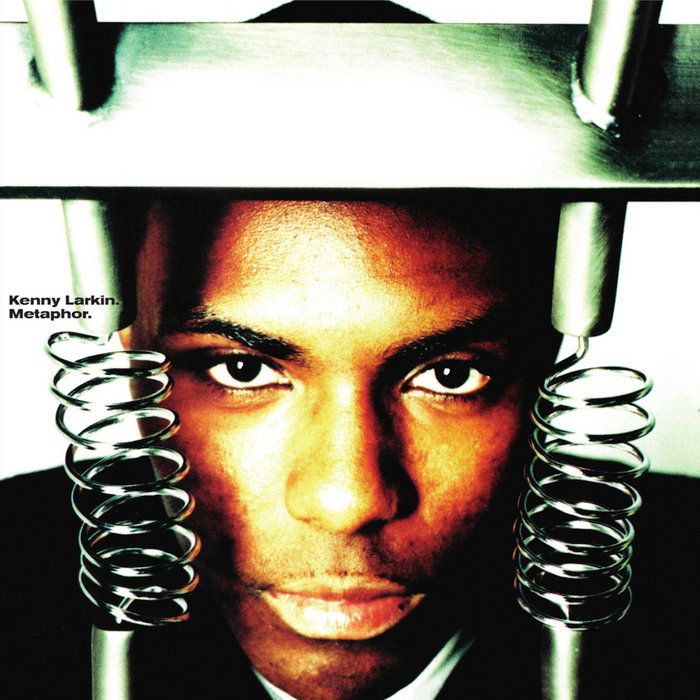
Metaphor (Expanded Edition)Kenny LarkinListen here
Audio loads when requested.
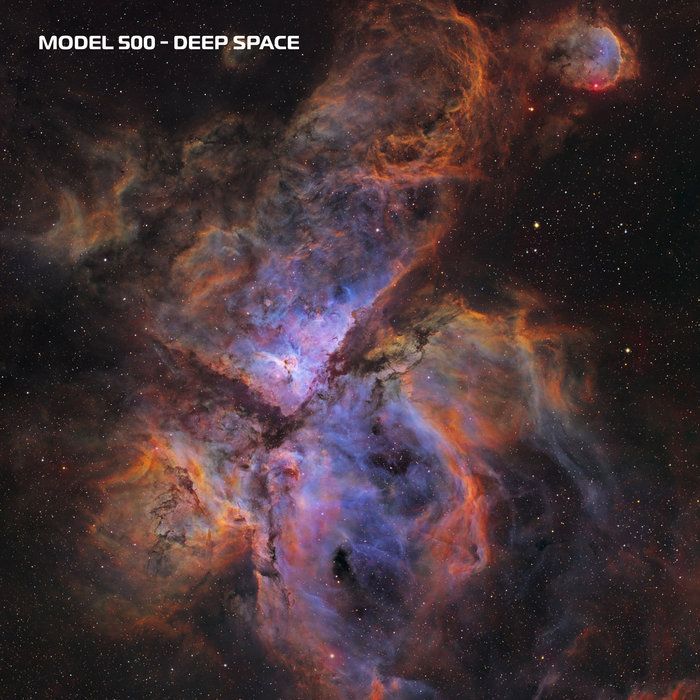
Deep SpaceModel 500Listen here
Audio loads when requested.