
Electronic music and digital platforms
Visibility, recommendation and cultural development
Digital platforms change how musical scenes develop, circulate and attract attention.
A local scene needs time for its participants to develop habits together. Someone hears an unfamiliar record repeatedly before knowing what to make of it. A recurring night acquires a character through gradual changes in its audience. These processes once had more opportunity to unfold outside continuous public view.
The feed compresses that interval. A gesture can circulate as a recognizable style before a group has lived with it long enough to decide what it means. Recommendation systems make the gesture available to distant viewers, and commercial imitation can follow while the local experience is still taking shape.
This raises a question about control over visibility. A platform rewards some forms of association more readily than others. Participants may find themselves explaining the significance of a gathering to an imagined audience while they are still trying to discover it for themselves.
The old radio appointment offers another arrangement of shared time. Listeners could hear the same broadcast without each maintaining a public profile. The connection depended on returning to the signal. Contemporary platforms extend that connection across remarkable distances while also making it available for continual measurement.
An underground may depend on protecting the duration of an encounter. A recurring room can give a group time to develop an ear together. An independent label may continue supporting a sound through a period of indifference. Such practices allow cultural significance to emerge at a pace that exceeds the demand for immediate visibility.
LISTEN ALONGSIDE THIS ENTRY
OMAR S THE BESTOmar SListen here
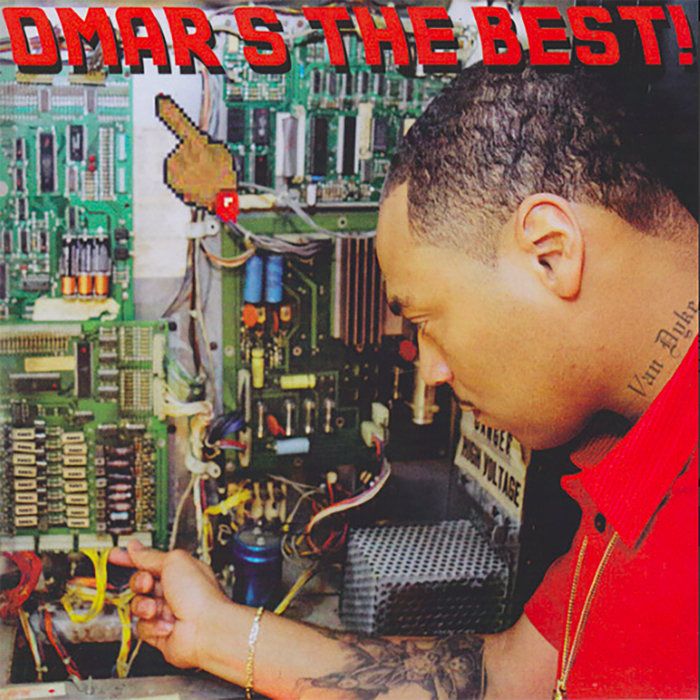
Audio loads when requested.
Molecular Level SolutionsDJ Stingray 313Listen here
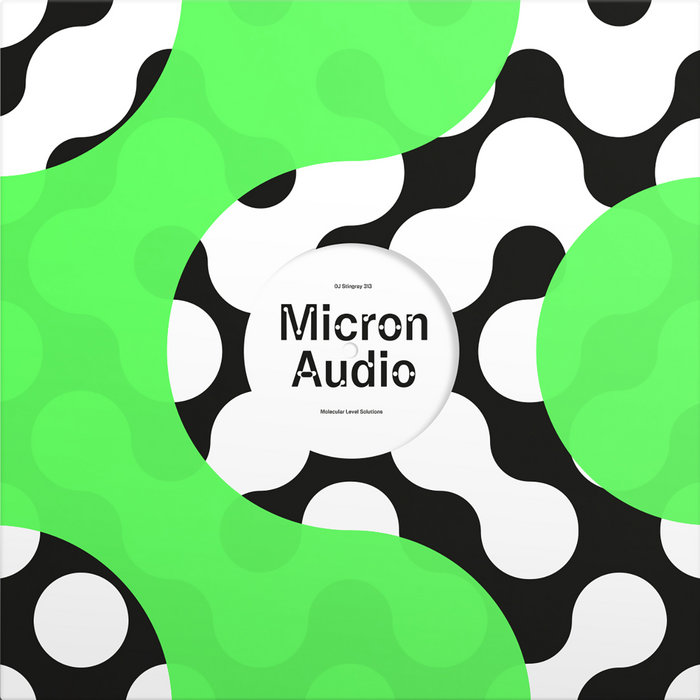
Audio loads when requested.