
Music and reenchantment
Belief and mediated experience
An account of how music can retain emotional force within commercially organized experiences.
A person who understands how an atmosphere has been designed can still respond to it. The lighting continues to change the room. A familiar rhythm can acquire new force in the right setting. Knowledge of the construction becomes one element within an experience that remains capable of surprise.
This helps explain why exposure alone rarely settles the question of manufactured culture. A participant may already understand the commercial interests involved. Another experience would have to meet the need for shared intensity before that knowledge could substantially change the attachment.
Stories of hidden organizers can become attractive because they give impersonal systems a recognizable plot. They promise that the uncertainty will eventually resolve into an account of who acted and why. Specific allegations still require evidence; the attraction of the story offers a separate question about the desire for explanation.
A rave can make the present feel momentous while leaving the world’s larger questions unresolved. That intensity remains vulnerable to commercial appropriation. A brand may borrow the atmosphere of a scene after its participants have spent years developing the conditions that make it possible.
Detroit brings the question back to the work that sustains an experience. A room needs someone to keep it open. A record depends on the effort that brings it from a studio to a listener. Place gives enchantment a material history, allowing the feeling to be followed back into the relations that made it possible.
LISTEN ALONGSIDE THIS ENTRY
Jupiter JazzUnderground ResistanceListen here
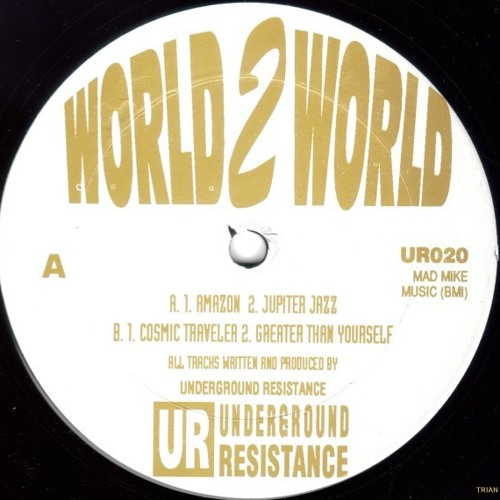
Audio loads when requested.
Stream from Underground Resistance’s SoundCloud account.
Deep SpaceModel 500Listen here
Audio loads when requested.