
Detroit techno and rave
Two figures of the listener
How a record’s significance changes when it enters a room of dancers.
Detroit techno names a musical history rooted in a region. Rave describes gatherings that draw on several musical histories and develop their own expectations about the night. Their intersection creates possibilities that change as records enter new settings.
The wandering survivor offers one figure for Detroit listening. Rave’s ecstatic participant finds a temporary release from ordinary separateness through the duration of the gathering. The effort of reaching the party and the hours spent dancing contribute to the sense of entering a shared world.
These experiences can coexist within a single night. A record may first leave someone alone with an unresolved feeling, then draw that person into the room’s collective response. The movement between those positions helps account for the emotional range of electronic music.
The distinction becomes especially useful when a Detroit record travels. A British warehouse or a European field changes the scale at which the sound is heard. The track carries its local history into a setting where it may acquire another social function.
Place therefore remains active throughout the music’s circulation. The city in which a record was made and the room in which it is heard both contribute to its force. Related genres can summon different ghosts because they invite different ways of inhabiting the world.
LISTEN ALONGSIDE THIS ENTRY
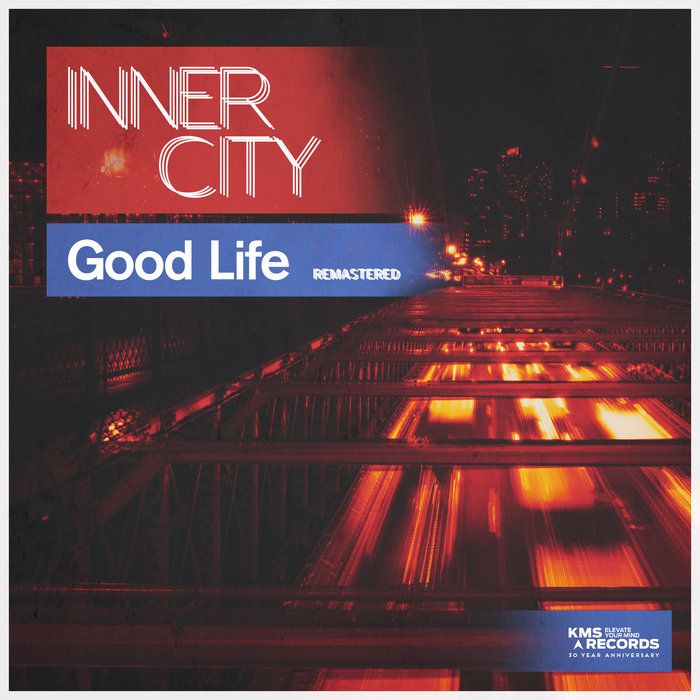
Good LifeInner CityListen here
Audio loads when requested.
Extended Club Mix, 2017 remaster of the 1988 recording.
Knights of the JaguarThe Aztec MysticListen here

Audio loads when requested.
Stream from Underground Resistance’s SoundCloud account.