
Rave and the millennium
Y2K and expectations of change
Millennial expectations intensified rave culture’s relationship with catastrophe and collective release.
Y2K gave an abstract anxiety a visible appointment. At midnight, the change of digits might interrupt the technical systems on which everyday life depended. Jeff Mills recalled this atmosphere of fear and speculation when discussing his work around the turn of the millennium.
The deadline could change the emotional texture of the present even for someone who doubted that a catastrophe would occur. An approaching break in time gave the party an additional charge. The usual calculations about tomorrow seemed briefly suspended.
“No need to fix the Symbolic; ride it out.” This formulation imagines enjoyment becoming possible while the shared order remains damaged. The authorities that once guaranteed the future have lost some of their force. A night of dancing appears to offer permission to continue without first repairing that loss.
The announced ending nevertheless supplies a powerful organizing story. The countdown gives uncertainty a structure, with midnight positioned as the moment when the world might change. The night becomes epic through its relation to that promised rupture.
An apocalypse can offer the reassurance of a definitive conclusion. Dystopian duration leaves a more unsettling possibility: another morning arrives and the same systems continue. Living resumes within a world that has survived its anticipated ending, while the memory of the party seeks a place in that ongoing life.
LISTEN ALONGSIDE THIS ENTRY
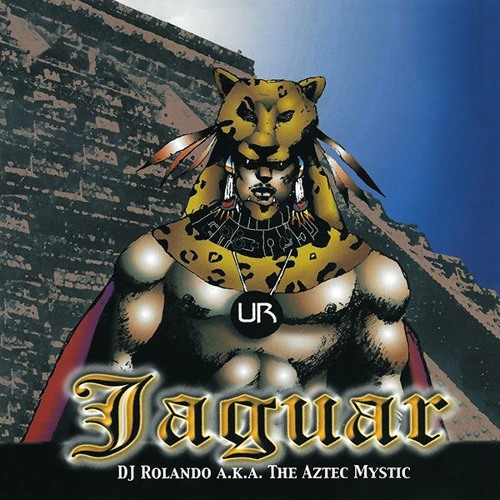
Knights of the JaguarThe Aztec MysticListen here
Audio loads when requested.
Stream from Underground Resistance’s SoundCloud account.
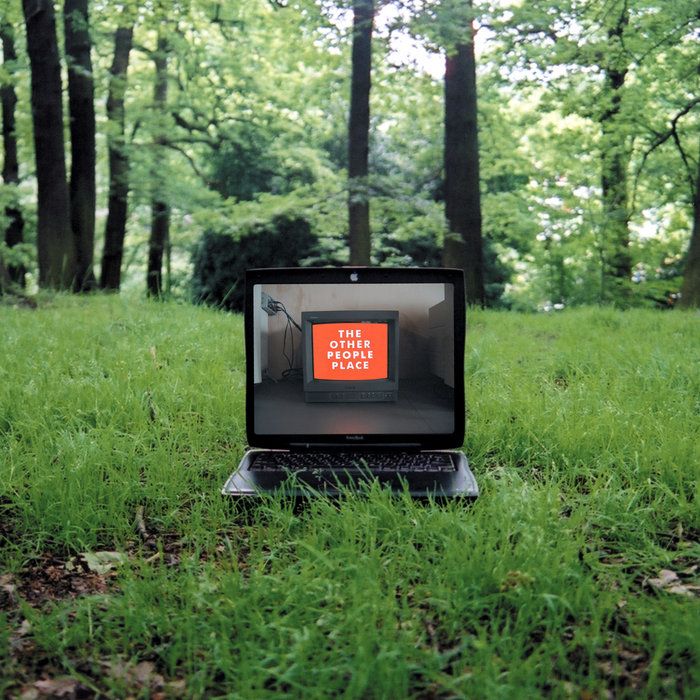
Lifestyles Of The Laptop CaféThe Other People PlaceListen here
Audio loads when requested.