
Industrial modernity
Factory production and social expectations
How factory production shaped daily life and expectations of prosperity.
Detroit’s twentieth-century history gives a concrete form to the promise of industrial progress. Factories organized work and settlement; roads connected production to an expanding metropolitan region. The automobile made individual mobility a mass aspiration, while the assembly line suggested that technical organization could deliver an increasingly prosperous common life. This essay reads the city’s subsequent difficulties as an anticipation of a broader crisis of industrial modernity.
The Rouge gives this ambition an extraordinary material form. Raw materials enter a vast integrated complex and emerge as finished vehicles. Industrial utopia rests on the conviction that the same technical ingenuity might organize a prosperous common future. That conviction coexists with exploitation and with deep inequalities in who receives the benefits.
Detroit’s force as a setting for techno lies in the survival of this machinery after confidence in its promise has faltered. Richard Pope’s “Hooked on an Affect” places the everyday encounter with Detroit’s dystopian environment at the center of the music’s significance. The city becomes a condition of experience.
The expectations attached to industrial modernity survive the loss of confidence in its institutions. Buildings, roads and inherited habits retain traces of the lives people once expected to lead. These are the ghosts of progress and utopia: possibilities that continue to exert a claim on the present after the conditions that sustained them have changed.
Techno gives this contradiction a sensory form. Its regular pulse can coexist with melancholy melodies, distant echoes and fragments that remain unresolved. Heard in relation to Detroit, these sounds register the persistence of abandoned futures within a dystopian present. The city’s history becomes audible through the relationship between rhythmic movement and an uncertain destination.
The central question is what those ghosts can still ask of us. Their echoes may call listeners toward futures that exceed the options offered by the present. This possibility gives the music its theoretical importance here: from within dystopia, it can sustain an encounter with forms of life that remain unrealized. The later comparison between Detroit’s solitary listener and rave’s communal participant develops one part of this broader argument.
LISTEN ALONGSIDE THIS ENTRY
No UFO’sModel 500Listen here
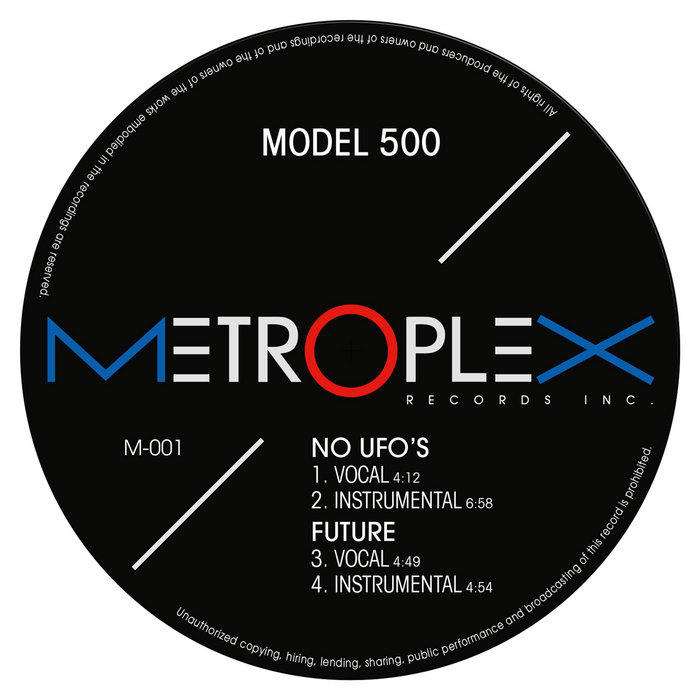
Audio loads when requested.
Official original-version release; vocal and instrumental mixes.
ClearCybotronListen here
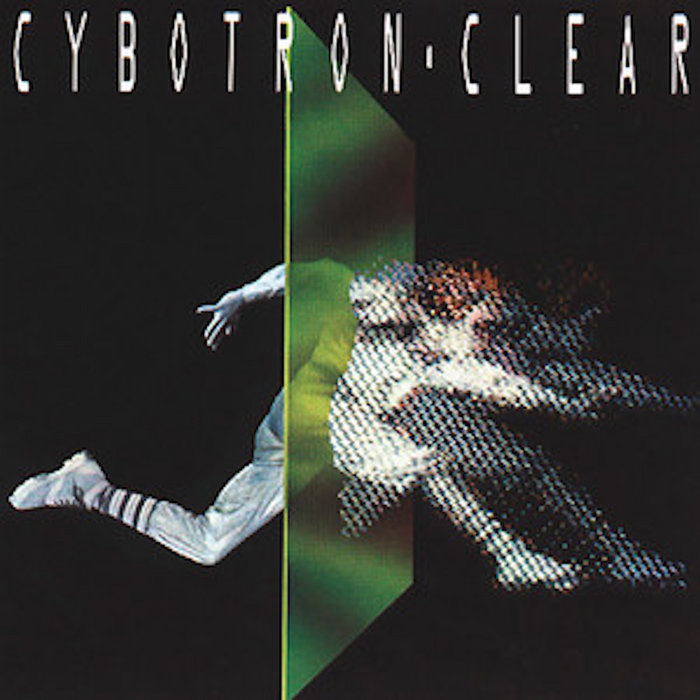
Audio loads when requested.
Official Fantasy/Craft edition. Cosmic Cars is the House Mix; Clear is the Jose Animal Diaz remix. Includes the original Cosmic Raindance and Alleys Of Your Mind.